Buying a Home in Italy from Abroad · 12 November 2026
Buying a Home in Italy from Abroad: A Practical Guide to the Villages
Buying a home in Italy from abroad is possible: from documents to checks, here is what to know before choosing a village in central Italy.
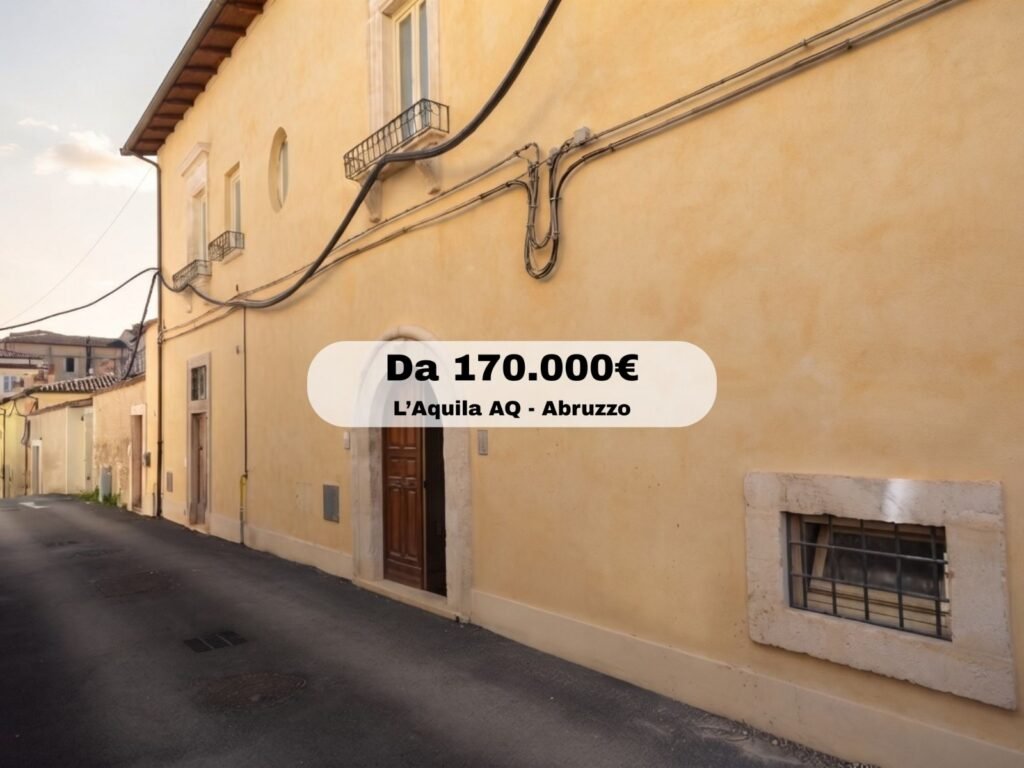
Why foreign buyers are looking more and more to central Italy
These days there is a lot of talk about foreign buyers drawn to the lakes and villages. According to Zazoom Social News, Trasimeno is rising into the top 5 of the areas most sought after by those coming from abroad. Tam Tam, meanwhile, describes an Umbria where demand is picking up again, with the enthusiasm of foreign buyers alongside the caution of Italian families.
For those buying from abroad, this means that some highly desirable areas may face more competition than they once did, especially near the water or in the most photogenic villages. It also means that, just a few kilometers away, there are often less-visited places offering more choice and more room for negotiation.
Our advice is not to limit yourself to the most famous name. A farmhouse a few minutes from the lake, or a village near a trendy destination, can give you the same lifestyle with less pressure on the price.
Budget and location: the price rankings are not everything
Rankings of Italy's most expensive areas, such as the one picked up by Libero Quotidiano, always spark debate. For those looking for a home in the villages, they serve above all as a reminder: prices vary enormously from one area to another, and big cities do not describe the market of small towns.
Before falling in love with a property, define an overall budget, not just the purchase price. Take into account notary fees, taxes, any agency fee and renovation work. In a farmhouse or a historic home, the works can weigh heavily, so always ask a trusted technician for an estimate.
Also ask yourself how you will use the home. A holiday residence, a retreat for spending long periods, or an income-generating property call for different choices regarding location, size and nearby services.
Documents and steps to arrange from a distance
Buying from afar is feasible, but it takes a little organization. You will generally need an Italian tax code, which can also be requested through consular offices, and often an Italian bank account to pay expenses and then utility bills. Always check the current requirements with the notary or the relevant office.
Before signing the offer, have the property's documentation checked: title deed, land registry and mortgage searches, planning and cadastral compliance, energy performance certificate. For old homes or those renovated over time, these are checks not to be skipped, because discrepancies are more common than you might think.
If you cannot be present at the deed signing, you can consider granting a power of attorney to a trusted person. The notary will explain how to make it valid, even if signed abroad. If you do not speak Italian well, ask for a translator or interpreter for important documents.
Residency, taxes and incentives: a topic to verify
Among this week's news is a clarification from the tax authorities, reported by Pianeta Design, for those who want to sell their primary residence and move abroad. It does not directly concern buyers, but it is a reminder of how much residency and place of life affect the tax treatment of a home.
Those buying from abroad should know that taxes and any available incentives may depend on their own situation: residency, type of property, intended use, country of origin. These rules can change, so do not trust information based on hearsay.
We cannot give you personalized tax advice. Before making an offer, speak with the notary and with an accountant who also knows your situation in your country of residence, to avoid surprises regarding double taxation or tax filings.
How to visit, decide and manage the home after purchase
If you live far away, concentrate your visits into a few days and arrive with a shortlist. It is worth seeing homes on different days and at different times, and trying the route to the nearest supermarket, hospital and station. In villages, daily life depends greatly on these details, especially in winter.
Think right away about who will look after the home when you are not there: maintenance, garden, monitoring of utilities, welcoming any guests. A local surveyor or craftsman, and a reliable local contact, are often worth more than a discount on the price.
If you need financing, the conditions for those living abroad can vary greatly from bank to bank. Compare several offers and check the current figures directly with the institutions, because conditions change often.
Frequently asked questions
Can a foreigner buy a home in Italy without being a resident?
In many cases yes, but the conditions may depend on the country of citizenship and on personal circumstances. Always ask the notary for confirmation before making a purchase offer.
Do I have to be in Italy to sign the purchase deed?
Not necessarily. You can be represented through a power of attorney, drawn up according to the required formalities. The notary will tell you how to proceed, even if you sign from abroad.
Can I get an Italian mortgage while living abroad?
It depends on the bank and on your profile. Some institutions consider these requests, others do not, and conditions change often. Check the current figures directly with several banks or with a mortgage broker.
Looking for a home in the villages of central Italy?
Browse our homes for sale and holiday homes, or write to us: we will help you find the right one.
Places mentioned in this article
Homes by region: Umbria
Insights from this week's news
- Umbria: real-estate demand recovering, between the caution of families and the enthusiasm of foreign buyers — Tam Tam
- Do you want to sell your primary residence and go to live abroad? The tax authorities issue a clarification — Pianeta Design
- Here's where the most expensive area in Italy to buy a home is: the ranking overturns everything | Libero Quotidiano.it — Libero Quotidiano
- Foreigners want a home on the lake: Trasimeno climbs into the top 5 — Zazoom Social News
Informational article written with the help of artificial intelligence: rates, amounts and regulations change often, so always check with your bank or a professional.
More articles
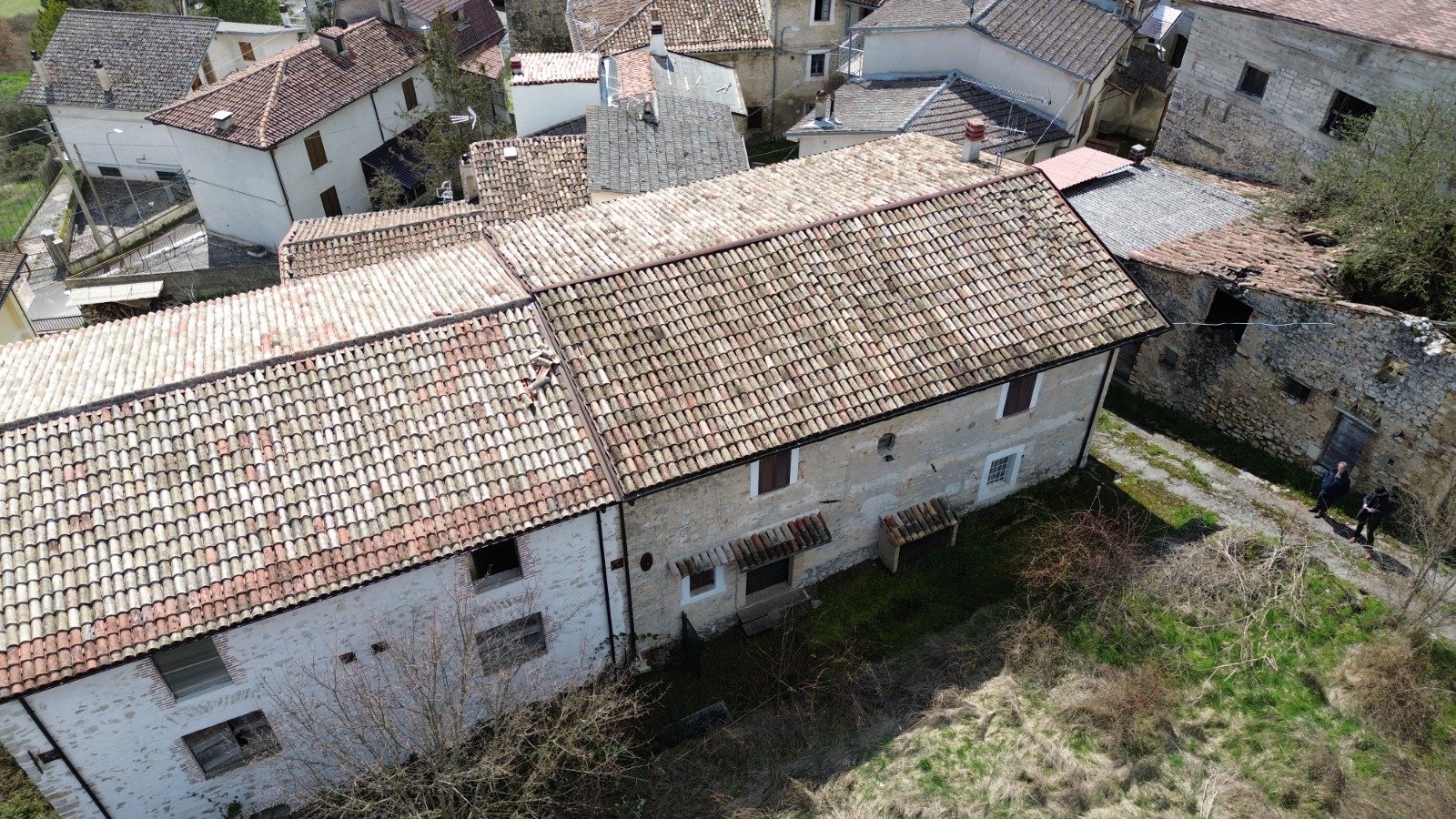
Mortgages and rates · 19 November 2026
Mortgages and rates in November 2026: how to choose between fixed and variable
Variable rates from 2.55% (Mutui.it), rising IRS and falling fixed-rate offers: what this means for those buying a home in a village, and how to find your bearings.
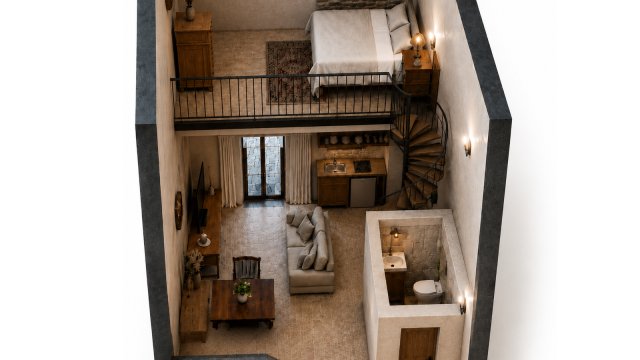
Living in Villages and Holiday Homes · 12 November 2026
Living in Villages and Holiday Homes: What to Look at Before Buying
Buying a home in a village to live in or to rent to tourists: what to consider about overtourism, incentives, prices and daily life before you decide.
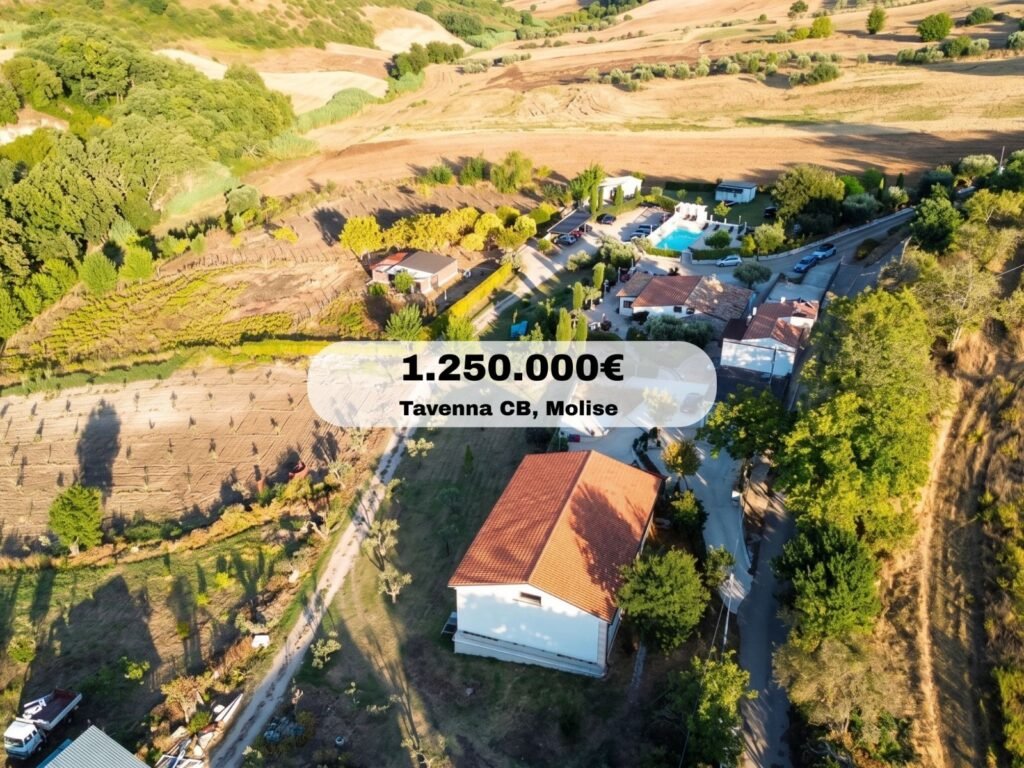
Home Bonuses, Taxes and Laws · 12 November 2026
Renovation Bonus 2027: What Changes for Home Buyers
Budget Law and Home Bonuses 2027: what we know about tax deductions, the Ecobonus and the furniture bonus, and how to proceed if you are about to buy a home in a village.