Living in Villages and Holiday Homes · 12 November 2026
Living in Villages and Holiday Homes: What to Look at Before Buying
Buying a home in a village to live in or to rent to tourists: what to consider about overtourism, incentives, prices and daily life before you decide.
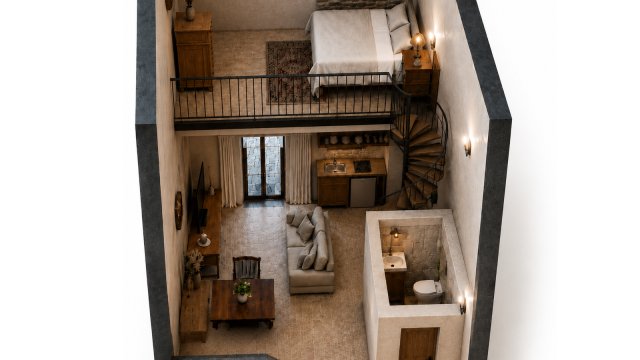
A Village to Live In or a Holiday Home: The First Question to Ask Yourself
When people talk about villages, two different dreams are often blended together: moving permanently away from the chaos, or having a holiday home, perhaps one that can earn an income when you are not using it. These are two projects that call for different choices, and it is worth clarifying right away which of the two is yours, or in what proportion you want to combine them.
Anyone who wants to live in a village all year round should look at services, connections and winter climate: doctor, pharmacy, school, shops, internet connection, winter road conditions. Those looking for a holiday home, on the other hand, will give more weight to location, views, and proximity to the sea, a lake, the mountains or hiking trails. The practical advice is to visit the area out of season, perhaps on a weekday in November, to understand what life is really like when the tourists are not there.
Short-Term Rentals and Overtourism: What the Numbers Say and What They Don't
Short-term rentals in historic centres and the risk of overtourism are widely discussed these days. According to Corriere della Sera, however, only 1.4% of the housing stock is used for tourist rentals. This is a national figure, and so it does not reflect the differences between a major city of art and a small village in the Apennines.
For buyers, the message is to look at the local context. In some places tourist demand is strong and steady, in others it is seasonal or almost non-existent. Before working out the numbers for a possible short-term rental, it is prudent to check with the town hall about the rules in force, talk to local owners, and ask a trusted professional which requirements and obligations apply to the activity. Regulations can change and vary from area to area, so they should always be verified.
Prices: Famous Destinations Are Not the Benchmark
According to the FIAIP report cited by Amalfi News, Amalfi and Positano top market prices for holiday homes in Campania. A ranking mentioned by Virgilio InItalia also places Italy among the leaders for the most expensive ski destinations in Europe. These are examples of very famous locations, where prestige weighs on the price.
For those buying in a village in central Italy, comparison with these destinations is useful above all for understanding how much fame affects value. There are many lesser-known areas, with a more accessible offering and good livability potential. The asking price, however, must always be assessed together with the condition of the property, renovation costs, running costs and accessibility. Comparing several listings and making site visits is the best way to find your bearings.
Incentives and Grants: Read Them Carefully Before Relying on Them
Among this week's news are also measures that attract a great deal of attention: Incentivimpresa reports on funding for B&Bs in 2026 with 75% non-repayable grants and vouchers of €40,000, while Immobiliare.it tells of a call for applications in Calabria offering a free home for 10 years to those who relocate. These are headlines that spark curiosity, but they need to be read carefully.
Grants come with requirements, deadlines, territorial limits and specific conditions, and they can change or close. Before basing a purchase on an incentive, it is wise to read the official text, contact the body that administers it and, if necessary, consult an accountant or a qualified adviser. A grant can be an opportunity, but the house must win you over even without it.
The Charm of Villages and a Final Piece of Advice
Cinema, too, helps people discover little-known places: Idealista tells where Giovanni Veronesi's new film was shot, and often a film set becomes the pretext for seeking out a village. Inspiration is a good beginning, but choosing a home is done calmly and with your feet firmly on the ground.
Our suggestion is to prepare a list of priorities, visit several areas in different seasons, have a technician check the property's planning and land-registry status, and form a realistic idea of running costs. If you wish, the consultants at Le Case di Reno can help you compare options in the villages of Abruzzo, Lazio, Marche, Molise, Tuscany, Umbria and Campania.
Frequently asked questions
Is it worth buying a home in a village to rent to tourists?
It depends on the location, the actual tourist demand and local rules. There are no guarantees of return: it is worth checking with the town hall, assessing running costs and, for tax and regulatory matters, consulting a professional.
How can I tell whether a village is suitable for living in all year round?
Visit it out of season too, and check essential services, road connections, internet connection, healthcare and social life. Talking to residents helps a great deal in understanding everyday life.
Are incentives for those who relocate or open a B&B always available?
No. Grants have requirements, deadlines and conditions that change over time. Always read the official text from the promoting body and check that they are still active before making decisions.
Looking for a home in the villages of central Italy?
Browse our homes for sale and holiday homes, or write to us: we will help you find the right one.
Places mentioned in this article
Homes by region: Abruzzo · Lazio · Marche · Molise · Tuscany · Umbria · Campania
Insights from this week's news
- Holiday homes, the map of short-term rentals: the shadow of overtourism over historic centres, but only 1.4% of the housing stock is used for tourist rentals, the numbers — Corriere della Sera
- Holiday homes: Amalfi and Positano top market prices. The FIAIP report on tourism in Campania — Amalfi News
- B&B Funding 2026: 75% Non-Repayable Grant and €40,000 Vouchers — Incentivimpresa
- Free home for 10 years for those who move to Calabria: how to apply for the call — Immobiliare.it
- Ranking of the most expensive ski destinations in Europe: Italy dominates — Virgilio InItalia
Informational article written with the help of artificial intelligence: rates, amounts and regulations change often, so always check with your bank or a professional.
More articles
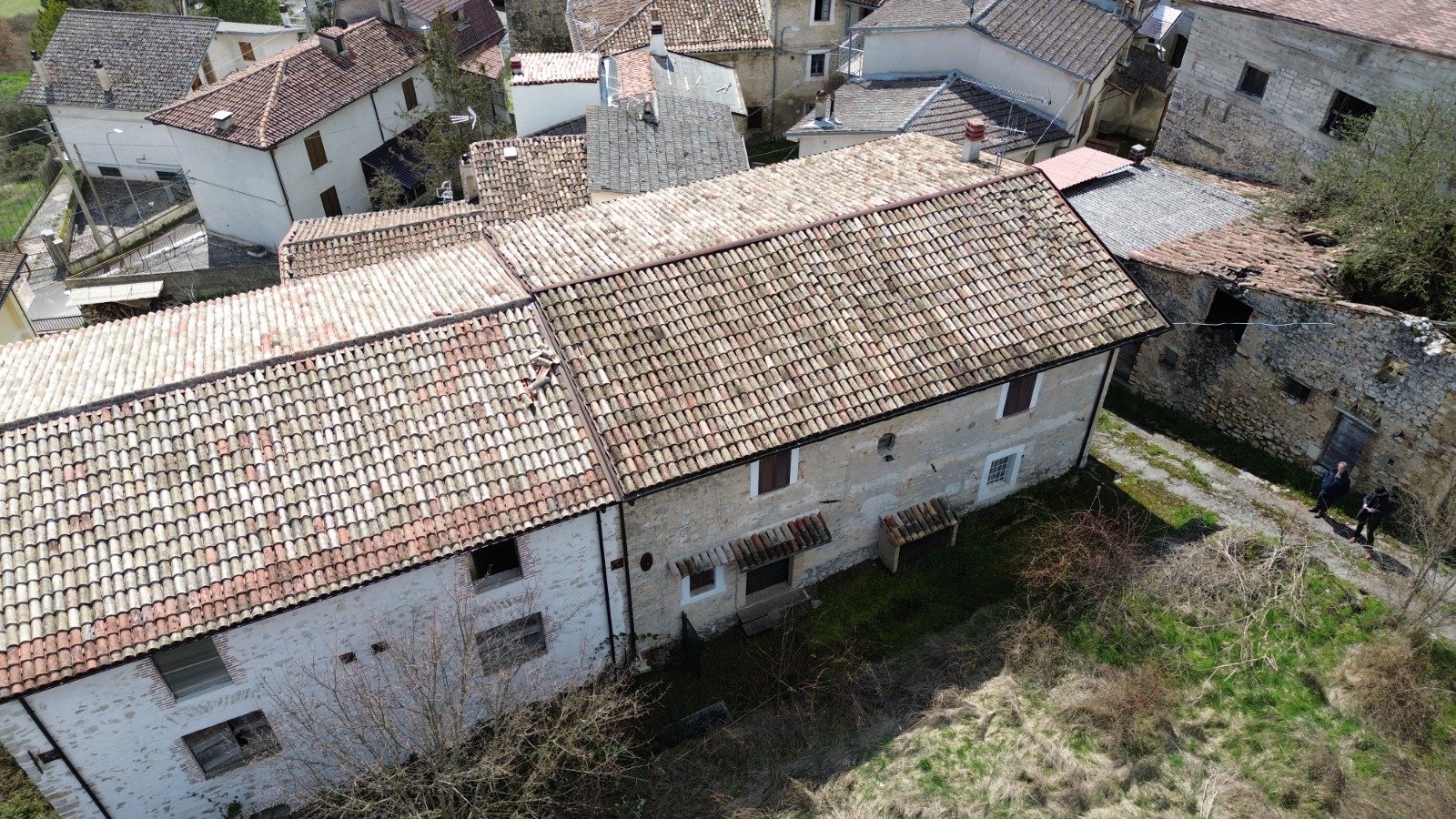
Mortgages and rates · 19 November 2026
Mortgages and rates in November 2026: how to choose between fixed and variable
Variable rates from 2.55% (Mutui.it), rising IRS and falling fixed-rate offers: what this means for those buying a home in a village, and how to find your bearings.
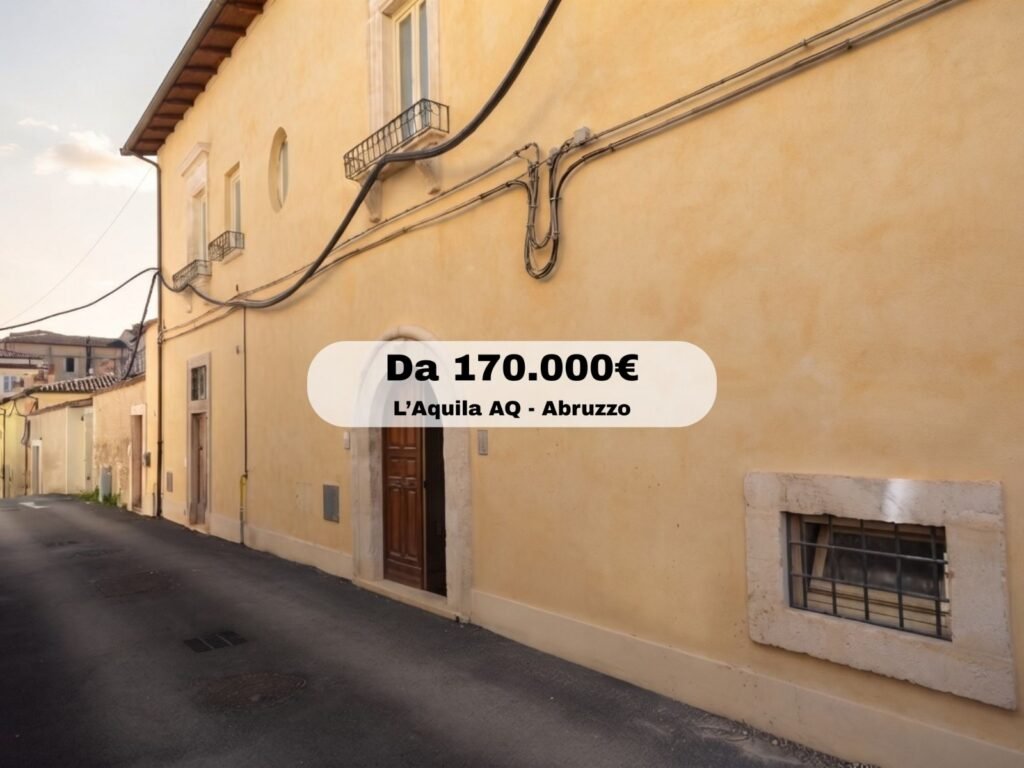
Buying a Home in Italy from Abroad · 12 November 2026
Buying a Home in Italy from Abroad: A Practical Guide to the Villages
Buying a home in Italy from abroad is possible: from documents to checks, here is what to know before choosing a village in central Italy.
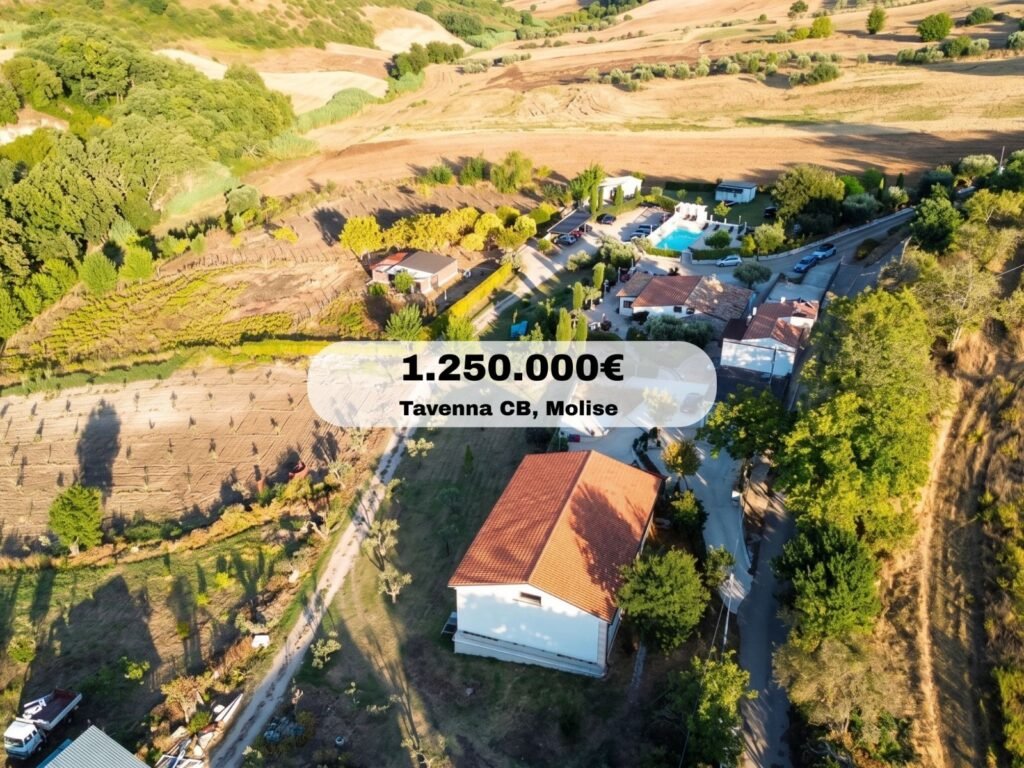
Home Bonuses, Taxes and Laws · 12 November 2026
Renovation Bonus 2027: What Changes for Home Buyers
Budget Law and Home Bonuses 2027: what we know about tax deductions, the Ecobonus and the furniture bonus, and how to proceed if you are about to buy a home in a village.